SUPREME-PILOTS develops advanced PLA-based copolymers — safer, more sustainable and circular alternatives to fossil-based plastics for high-value industrial applications.
The SUPREME-PILOTS project aims to develop a new generation of advanced bio-based plastics from renewable European raw materials. The project focuses on improving PLA, or polylactic acid, a plant-based plastic that can be produced from resources such as corn, sugar beet or other agricultural feedstocks.
PLA is already an important alternative to fossil-based plastics, but its current performance is still limited in some applications. Standard PLA can be too rigid or brittle, and it does not always provide enough heat resistance, flexibility or long-term durability for demanding industrial uses.
SUPREME-PILOTS addresses these limitations by developing improved PLA-based copolymers. Copolymers are plastics made from more than one type of chemical building block, which makes it possible to fine-tune their properties. In this project, PLA is combined with advanced bio-based components such as polyester-polyols and bio-based PTMG. These ingredients help adjust the final material’s flexibility, toughness, resistance and processability. Bio-based PTMG (Bio-PTMG) is a plant-derived version of polytetramethylene ether glycol (PTMG), a premium polyether polyol. It acts as a primary raw material to manufacture high-performance polyurethane, spandex, synthetic leather, and polyester resins.
A key technology used in the project is reactive extrusion. Extrusion is a continuous production process in which materials are heated, mixed and pushed through a machine. In reactive extrusion, the ingredients also undergo controlled chemical reactions during this process. This makes it possible to improve the material while producing it, without the need for solvents and with the potential to reduce waste, energy use and production costs.
Artificial intelligence and machine learning also support the development process. These tools analyse data from previous experiments and help predict which material combinations and processing conditions are most promising. As a result, researchers can reduce unnecessary testing and move more efficiently from laboratory development towards industrial-scale production.
The new materials will be tested on several industrial processing platforms, including large-scale 3D printing, rotational moulding, calendering, film production and lamination. These technologies cover a wide range of manufacturing routes, from producing large printed objects and hollow plastic parts to creating thin sheets, films and layered materials.
The project will demonstrate the performance of the new materials through real product prototypes in four main pilot applications.
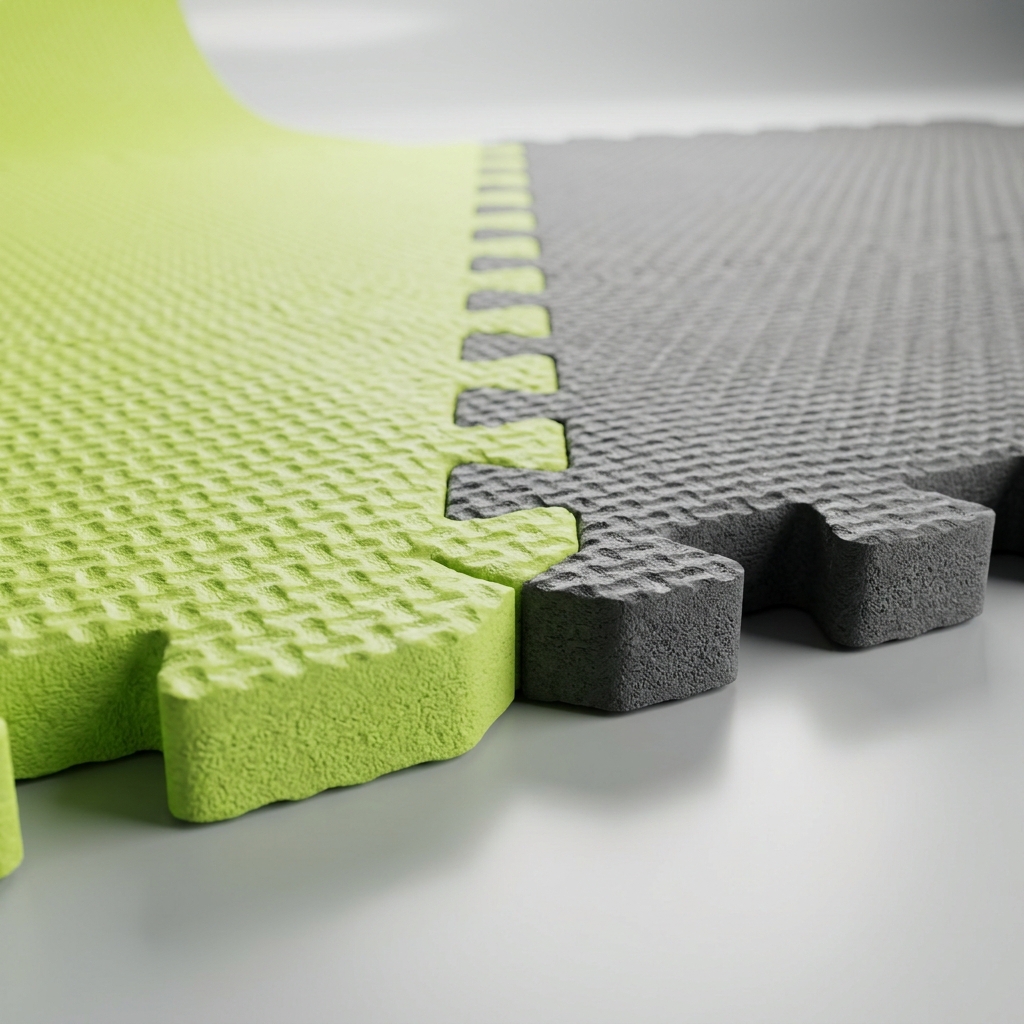
In large-scale 3D printing, the materials will be used to create lightweight foamed sports and protective products, such as safety mats, playground floor tiles, wall protection systems and training blocks. These products are expected to combine low weight with impact absorption and durability.
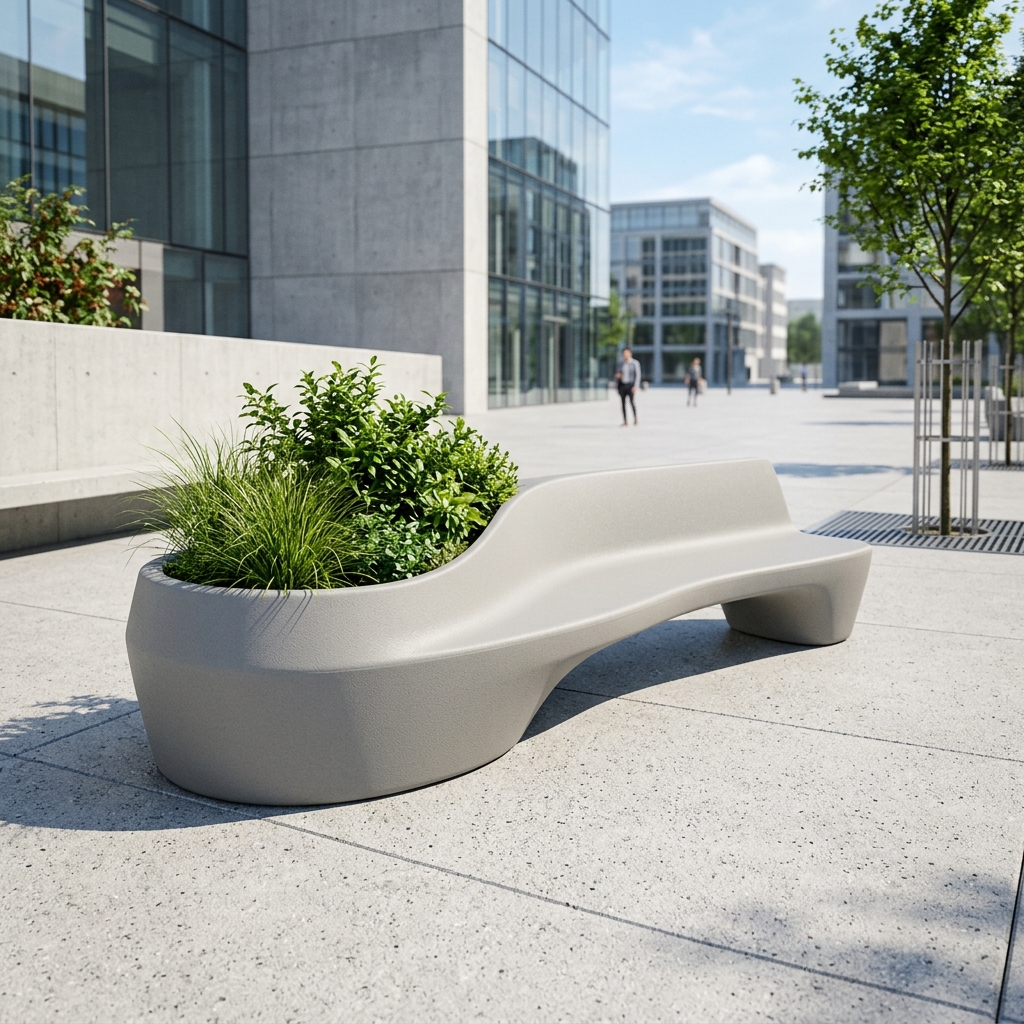
In rotational moulding, the project will develop urban furniture components, especially outdoor planters or similar public-space products, as bio-based and recyclable alternatives to conventional polyethylene products.
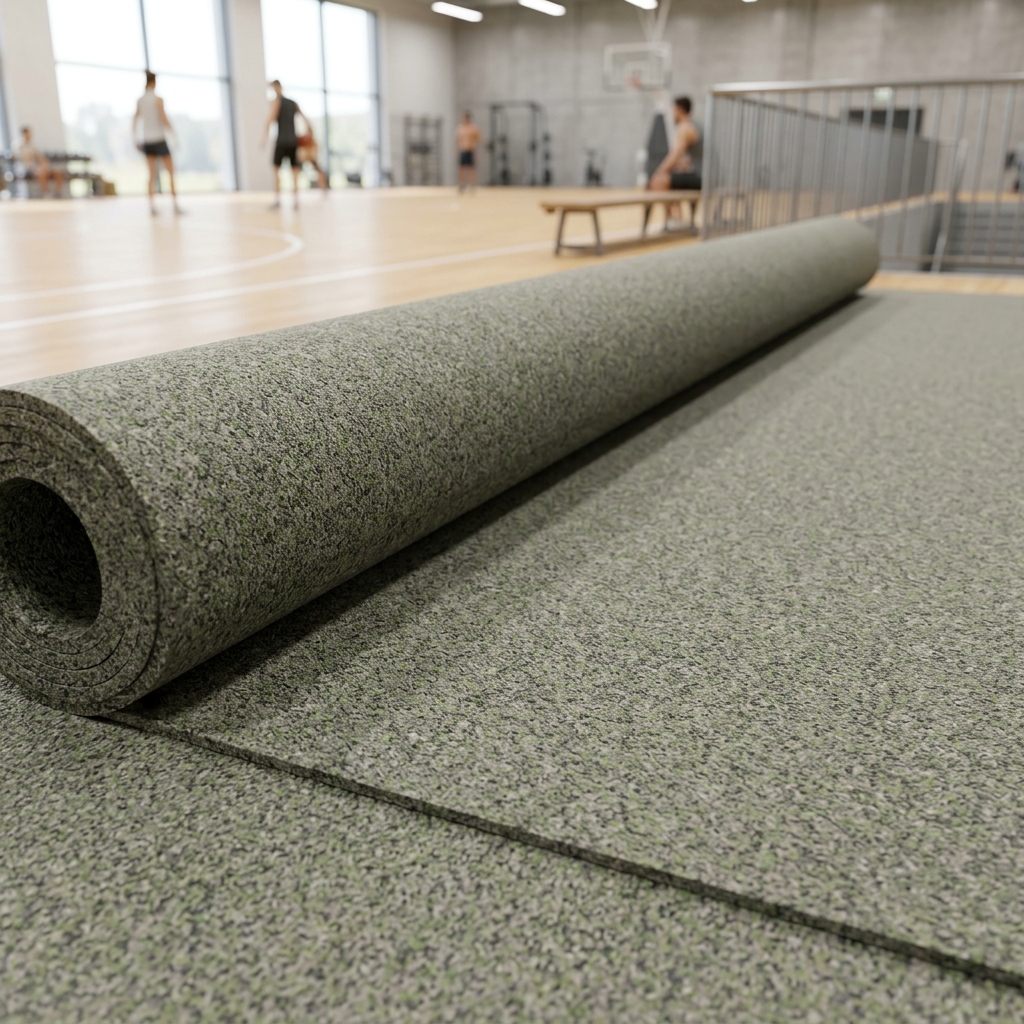
In calendering, the new materials will be used to produce more sustainable resilient flooring for public, commercial, healthcare and sports environments, with the aim of reducing or replacing conventional rubber and fossil-based elastomers.
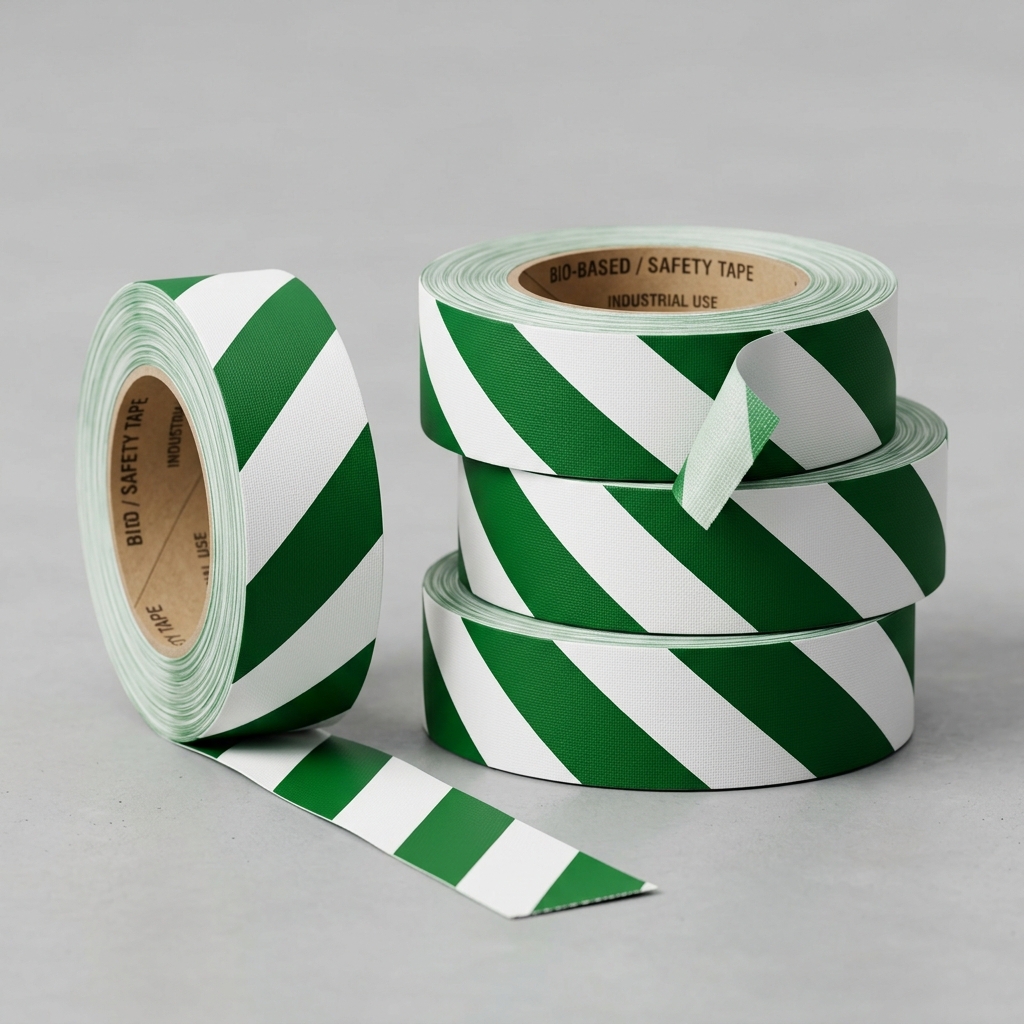
In film production and lamination, the project will develop flexible industrial signage and warning tapes as a bio-based alternative to PVC-based products, with good durability, printability, adhesion and recyclability.
These pilots ensure that SUPREME-PILOTS is not limited to material development, but also demonstrates how the new plastics can work in practical applications. The expected results include validated product prototypes, improved processing knowledge, scalable material production routes and a digital tool to support faster optimisation of new PLA-based formulations.
Circularity is a central element of SUPREME-PILOTS. This means considering the full life cycle of the material, including how it can be reused, recycled or recovered at the end of its use. The project will assess recycling options and end-of-life solutions for the developed products, including mechanical and chemical recycling routes. This supports a more circular economy, where materials remain in use for as long as possible and waste is reduced.
SUPREME-PILOTS follows the European Safe and Sustainable by Design approach. This means that safety and sustainability are considered from the beginning of the material design process, rather than added only at the end. The aim is to develop materials that are not only high-performing, but also safer for people and better for the environment.
By combining European raw materials, research knowledge, industrial cooperation and advanced technologies, SUPREME-PILOTS can help strengthen Europe’s role in the bio-based materials sector. The project supports the transition from fossil-based plastics to safer, more sustainable and more circular alternatives, while opening new high-value market opportunities in sectors such as sports, construction, urban infrastructure, transport, medical technology, electronics and energy.
The SUPREME-PILOTS consortium brings together 14 partners from seven European countries, combining the expertise of large companies, SMEs, research and technology organisations, and an association. The partners cover the full value chain and contribute complementary knowledge in materials, processing, product development, testing, standardisation, sustainability assessment, and innovation management.
SUPREME-PILOTS will apply the European Union’s Safe and Sustainable by Design framework to improve the sustainability, safety, and circularity of innovative materials and products. The project aims to achieve a reduction of more than 35% in CO₂-equivalent emissions, supporting the transition towards safer, more sustainable, and circular industrial value chains.
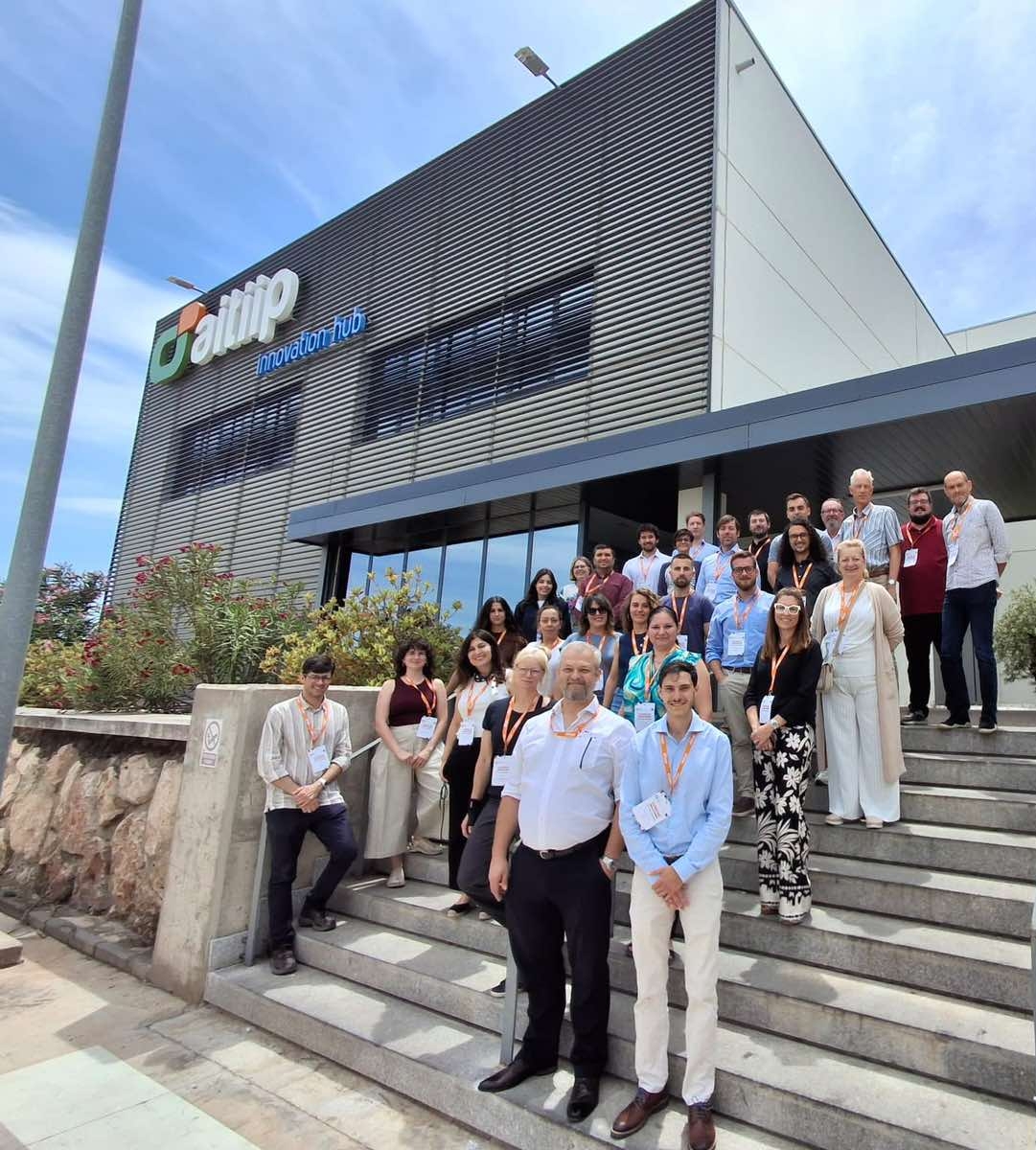 Project Kick-off Meeting — Zaragoza, Spain











AITIIP is a Spanish Research and Technology Organisation (RTO) and Technology Centre specialised in advanced manufacturing, plastic materials and their transformation processes, including extrusion, injection moulding, thermoforming, rotomoulding, calendering, film extrusion and large-format 3D printing. With over 25 years of experience, AITIIP acts as a bridge between laboratory research and industrial application, supporting companies and research partners through advanced technological services, R&D projects and industrialisation activities.
Since 2010, AITIIP has been actively working with bioplastics, focusing on the development, validation and scale-up of bio-based, smart and sustainable materials for demanding industrial sectors. Its facilities include one of Europe's leading pilot plants for polymer processing, covering different transformation technologies, polymer and recycling facilities, and a complete material characterisation laboratory. AITIIP also has extensive experience in European collaborative projects, having participated in 51 and coordinated 23 of them, including 11 projects within the BBI/CBE JU programme.
AITIIP is a Spanish Research and Technology Organisation (RTO) and Technology Centre specialised in advanced manufacturing, plastic materials and their transformation processes, including extrusion, injection moulding, thermoforming, rotomoulding, calendering, film extrusion and large-format 3D printing. With over 25 years of experience, AITIIP acts as a bridge between laboratory research and industrial application, supporting companies and research partners through advanced technological services, R&D projects and industrialisation activities.
Since 2010, AITIIP has been actively working with bioplastics, focusing on the development, validation and scale-up of bio-based, smart and sustainable materials for demanding industrial sectors. Its facilities include one of Europe's leading pilot plants for polymer processing, covering different transformation technologies, polymer and recycling facilities, and a complete material characterisation laboratory. AITIIP also has extensive experience in European collaborative projects, having participated in 51 and coordinated 23 of them, including 11 projects within the BBI/CBE JU programme. This background provides AITIIP with strong expertise in project coordination, technical validation, innovation management, exploitation and market deployment.
Within SUPREME-PILOTS, AITIIP acts as the Project Coordinator, ensuring the overall alignment of the consortium and the effective implementation of project activities. In addition, AITIIP plays a crucial role in bridging technological development and market deployment.
As leader of WP2, AITIIP coordinates the industrial partners in defining technical constraints, processing parameters and application requirements for different transformation processes, including BAAM, rotomoulding, calendering and film extrusion. AITIIP also contributes to the processability assessment of the new copolymers for applications such as foamed products, sports systems and urban furniture. In this role, AITIIP provides precise specifications to the AI-driven formulation and Reactive Extrusion teams, ensuring that the new biopolymers are compatible with existing industrial machinery and meet real industrial demands. AITIIP also contributes its expertise in 3D printing and performs material characterisation tests in its laboratory to support the technical validation of the developed materials.
As leader of WP7, AITIIP is responsible for exploitation, replicability and market strategy activities. This includes managing the intellectual property rights framework, defining the Key Exploitable Results, developing standardisation roadmaps and preparing commercial business plans. Through these activities, AITIIP supports the successful deployment of SUPREME-PILOTS copolymers and their potential to replace fossil-based plastics in relevant market applications.
AM3D is a Spanish company specialised in advanced additive manufacturing, providing end-to-end solutions for high-performance plastic and metal components using technologies such as Selective Laser Melting, Laser Metal Deposition and large-format robotic extrusion (BAAM/WAAM). Its services span the full production cycle — from design for additive manufacturing and topology optimisation to prototyping, short-series production and post-processing — for demanding sectors including aerospace, automotive, medical and industrial machinery.
Within SUPREME-PILOTS, AM3D co-leads WP4 and heads the "Foamed BAAM for lightweight protective and sports systems" use case, manufacturing functional prototypes such as shock-absorbing floor tiles, wall padding and safety mats with the new PLA-TPE copolymers. It optimises the pellet-fed robotic extrusion process and integrates physical and chemical foaming strategies to achieve controlled porosity, while providing feedback on processability, thermal stability and finishing quality.
AM3D is a leading Spanish company specialized in advanced additive manufacturing. They provide end-to-end solutions for creating high-performance plastic and metal components using state-of-the-art technologies such as Selective Laser Melting, Laser Metal Deposition, and flexible cells including BAAM (Big Area Additive Manufacturing) and WAAM. Its comprehensive services span the entire production cycle — from Design for Additive Manufacturing and topology optimisation to prototyping, short-series production, and post-processing with rigorous quality validation — serving demanding industries including aerospace, automotive, medical, and industrial machinery.
Use Case Leadership & WP Co-leadership: AM3D co-leads Work Package 4 (WP4) and specifically heads the "Foamed BAAM for lightweight protective and sports systems" use case. They are responsible for manufacturing functional sports equipment prototypes — such as shock-absorbing floor tiles for playgrounds, wall padding, and safety mats — demonstrating real-scale samples of 2 m² (with thicknesses of 1-5 cm) using the novel PLA-TPE copolymers.
Process Optimization and Large-Scale Manufacturing: AM3D optimizes the pellet-fed robotic extrusion process, utilizing high deposition rates (between 15 and 25 kg/h) and tuning parameters like temperature and flow to ensure strong layer-to-layer adhesion. During extrusion, they integrate physical and chemical foaming strategies to create structures with controlled porosity, tailored for specific energy absorption threshold requirements.
Validation and Post-processing: As the main prototype producer for this application, AM3D provides critical operational feedback regarding the processability, thermal stability, and performance of the developed materials. Furthermore, they apply finishing steps like CNC milling to ensure final geometric accuracy and premium surface quality.
LinkedIn page: For strategic reasons according to its target audience, AM3D has decided not to maintain a LinkedIn page.
Based in Italy and part of the Mondofin Group, Artigo specialises in resilient rubber flooring for the contract sector, producing durable, flexible flooring for high-traffic public and professional environments such as schools, hospitals, airports and offices. The company operates a fully integrated manufacturing facility, managing the entire production lifecycle from raw material compounding to vulcanisation and finishing.
Within SUPREME-PILOTS, Artigo leads the resilient flooring pilot, translating laboratory-scale breakthroughs into market-ready commercial applications for the green building and sustainable architecture sectors. The company conducts chemical-physical characterisation, mechanical stress testing and rheological analysis of the new bio-based compound.
Based in Italy, Artigo S.p.A. is a member company of the Mondofin Group, specializing in the manufacture of resilient rubber flooring for the contract sector. This commercial market demands durable, flexible flooring materials designed and installed specifically for high-traffic public and professional environments, such as schools, hospitals, airports, offices, and cultural spaces.
The company operates a fully integrated manufacturing facility, managing the entire production lifecycle from raw material compounding to vulcanization and final finishing. For many years, Artigo has focused on developing high-performance products tailored for the building sector, combining sustainability and circularity to successfully reduce its products' Global Warming Potential (GWP).
Within the SUPREME-PILOTS project, Artigo will serve as the dedicated resilient flooring use case, translating laboratory and TRL 4-5 breakthroughs into market-ready commercial applications for the global green building and sustainable architecture sectors. Furthermore, the company will conduct extensive R&D activities, including the chemical-physical characterization and mechanical stress testing of the new bio-based final product, as well as the rheological analysis of the new bio-based compound.
ASRO is the Romanian national standardisation body, acting as the national platform for the development and adoption of European and international standards. It is a full member of CEN, CENELEC and ETSI at European level, and of ISO and IEC at international level, coordinating Romanian stakeholder participation through its national technical committees.
Within WP7 (Task 7.3), ASRO coordinates the SUPREME-PILOTS standardisation activities — identifying and assessing relevant standards, analysing standardisation gaps, and preparing the project's Standardisation Roadmap. ASRO also delivers a training session on standardisation and regulatory mechanisms for project partners and contributes to dissemination and coordination activities.
ASRO is the Romanian national standardization body, operating under the Romanian legal framework for national standardization, and acts as the national platform for the development and adoption of European and international standards.
At European level, ASRO is a full member of CEN – the European Committee for Standardization, CENELEC – the European Committee for Electrotechnical Standardization, and ETSI – the European Telecommunications Standards Institute, as a national standards body. At international level, ASRO is a member of ISO – the International Organization for Standardization and IEC – the International Electrotechnical Commission.
Through its national technical committees, ASRO ensures the participation of Romanian stakeholders in national, European and international standardization activities. These technical committees bring together experts representing interested parties from industry, research, public authorities, users, consumers and other relevant sectors. Their role is to contribute to national standardization work and to participate in the activities of European and international technical committees.
ASRO will contribute to the SUPREME-PILOTS project by ensuring the link between the project's technical developments and the European and international standardization framework.
Within WP7 (Task 7.3), ASRO will coordinate the standardization activities, including the identification and assessment of relevant standards, the analysis of standardization gaps, consultation with standardization experts and stakeholders, and the development of recommendations for future standardization actions. ASRO will also deliver a training session on standardization and regulatory mechanisms for project partners and will lead the preparation of the SUPREME-PILOTS Standardization Roadmap, providing guidance on relevant standards, technical committees, future standardization opportunities and recommendations for the exploitation of project results.
In addition, ASRO will contribute to the dissemination of standardization-related outcomes (WP6) and support project coordination activities within WP8.
The Competence Center CHASE is a Research and Technology Organisation headquartered in Austria, dedicated to making the chemical industries more sustainable. Together with industry and academic partners, it digitalises and intensifies processes and makes them circular using process analytics, data analytics, machine learning and AI. With its broad range of expertise, CHASE bridges process and data, expert and algorithm, lab and pilot scale.
In SUPREME-PILOTS, CHASE is the digitalisation partner, accelerating process development at lab scale and informing the upscaling process through physics- and data-driven modelling of reactive extrusion, and facilitating in-silico exploration of processing parameters through expert-facing GUIs.
CONVERZAR (Comercial Edizar S.A.) is a Spanish family-owned company founded in 1975, specialised in the engineering, conversion and manufacturing of customised adhesive, flexible and multifunctional material solutions for industrial applications, including automotive, electric mobility, electronics and aerospace.
Within SUPREME-PILOTS, CONVERZAR acts as an industrial end-user and application demonstrator, developing and validating a sustainable industrial floor-marking tape based on the project's bio-based copolymers as a replacement for conventional PVC-based films. The company assesses film-to-adhesive compatibility and validates the final demonstrators against adhesion, abrasion, printability and durability requirements.
1. Brief Presentation of the Organisation
CONVERZAR (Comercial Edizar S.A.) is a Spanish family-owned company founded in 1975 and specialized in the engineering, conversion and manufacturing of customised adhesive, flexible and multifunctional material solutions for industrial applications. With more than 50 years of experience, the company combines material expertise, process know-how and advanced converting technologies to develop high-performance components that improve reliability, efficiency and competitiveness for industrial customers.
The company operates from its manufacturing facilities in Zaragoza (Spain), integrating the complete value chain from material selection and engineering support to multilayer lamination, conversion, assembly-ready parts and automated manufacturing integration. CONVERZAR currently serves more than 250 industrial customers and produces over 26 million components annually for demanding sectors including automotive, electric mobility, electronics, household appliances, aerospace, defence, industrial equipment, elevators and general manufacturing.
CONVERZAR develops tailor-made technical solutions based on advanced adhesive, insulating, conductive, thermal management and sealing materials. Its expertise includes: structural bonding systems replacing traditional mechanical fasteners; thermal management solutions for electronic systems and battery packs; electrical insulation systems for power electronics and control units; EMI/RFI shielding and conductive solutions; environmental sealing solutions against dust, moisture and chemicals; vibration damping and acoustic management systems; functional multilayer assemblies integrating several functions within a single component; and precision die-cut, laminated and converted components designed for automated assembly processes.
The company is particularly active in the field of electric mobility, where it develops advanced solutions for battery packs, including thermal interface materials, cell-to-cell insulation systems, sealing solutions, multilayer functional assemblies and lightweight bonding technologies. It also provides specialised solutions for electronics applications such as dielectric insulation, conductive tapes, EMI shielding, thermal pads, spacers, cable protection and multifunctional components combining thermal, electrical and mechanical performance.
To support these activities, CONVERZAR has invested significantly in advanced manufacturing capabilities, including multimaterial lamination systems, rotary and flatbed die-cutting technologies, laser converting, CNC cutting, digital printing, slitting and rewinding systems, spooling technologies, automated inspection systems and dedicated production lines for electric vehicle battery pack components. The company operates a modern manufacturing facility inaugurated in 2022 and follows Industry 4.0 principles for quality control and production efficiency.
Innovation is a key pillar of the company strategy. CONVERZAR actively participates in national and European R&D projects focused on electric mobility, advanced materials, sustainability and circular economy. The company works closely with leading OEMs, technology centres and industrial partners to develop next-generation material solutions aligned with future market requirements.
Jorge García is the Founder and Chief Executive Officer of CONVERZAR, where he leads the company's strategic vision, technological development and long-term growth. With extensive experience in industrial manufacturing, advanced materials and process engineering, Jorge has played a pivotal role in transforming CONVERZAR into a recognised industrial partner across highly demanding sectors including automotive, electric mobility, aerospace, rail and advanced manufacturing. Under his leadership, CONVERZAR has continuously invested in new production technologies, process optimisation and the development of sustainable material solutions, actively promoting a culture of innovation focused on transforming emerging technologies into market-ready industrial products capable of meeting stringent performance, quality and sustainability requirements.
2. Role of CONVERZAR in the SUPREME-PILOTS Project
Within the SUPREME-PILOTS project, CONVERZAR acts as an industrial end-user and application demonstrator responsible for the development and validation of a sustainable industrial floor-marking tape solution based on the novel bio-based copolymers generated throughout the project. CONVERZAR represents the final step of the value chain, ensuring that the newly developed materials can be successfully transformed into industrial products that meet real market requirements and performance expectations.
CONVERZAR contributes its expertise in adhesive technologies, multilayer material integration, film converting, lamination processes, industrial printing and application engineering. The company is responsible for assessing the compatibility between the newly developed PLA-based films and adhesive systems, identifying the most suitable sustainable adhesive solutions and validating their industrial implementation.
As a key industrial partner, CONVERZAR provides feedback throughout the material development process, ensuring that the bio-based formulations fulfil the functional requirements demanded by industrial floor-marking applications, including adhesion, durability, abrasion resistance, printability, chemical resistance and long-term performance under harsh industrial conditions. Furthermore, CONVERZAR is responsible for validating the final demonstrators, benchmarking their performance against current market-leading solutions and supporting the future market uptake of sustainable alternatives to conventional PVC-based industrial marking tapes.
3. Contribution of CONVERZAR to the SUPREME-PILOTS Project
CONVERZAR contributes to SUPREME-PILOTS through the development and validation of a sustainable industrial floor-marking tape based on the novel bio-based copolymers generated within the project. The objective is to replace conventional PVC-based films and standard adhesive systems with environmentally friendly alternatives while maintaining the mechanical performance, durability and safety required in industrial environments.
The company will evaluate the compatibility between the newly developed PLA-based films and adhesive systems, selecting and optimising the most suitable adhesive solutions for industrial applications. CONVERZAR will perform processability assessments, adhesion studies, surface treatment validation, and compatibility testing to ensure reliable film-to-adhesive bonding and industrial-scale manufacturability.
In the demonstration phase, CONVERZAR will validate the final signage tape through a comprehensive testing programme including adhesion, abrasion, tensile and tear resistance, printability, chemical resistance, humidity resistance, accelerated ageing and durability under real operating conditions. The company will also assess the integration of anti-slip functionalities and support the optimisation of converting, lamination and printing processes.
Through these activities, CONVERZAR will demonstrate the technical and commercial feasibility of a new generation of circular and bio-based industrial marking solutions, contributing to the reduction of environmental impact while opening new market opportunities for sustainable adhesive products manufactured in Europe.
4. Project Team
Eva Linuesa Fuidio – Project Leader. Eva Linuesa Fuidio holds a degree in Chemistry from the University of Zaragoza and has more than twenty years of experience in industrial management, quality systems, innovation, and R&D project management. She began her professional career as a researcher at the Spanish National Research Council (CSIC) before joining CONVERZAR, where she has held positions as Quality Director, Project Quality Manager, and R&D Manager.
She currently leads strategic national and European projects related to electric mobility, circular economy, sustainability, advanced materials, recycling technologies, and carbon footprint reduction. Her multidisciplinary background, strong leadership skills, and extensive experience in the automotive and industrial sectors provide her with a comprehensive vision for coordinating collaborative innovation projects.
Eva has participated in numerous publicly funded innovation initiatives, including projects supported by CDTI and the Spanish PERTE for Electric and Connected Vehicles (PERTE VEC), as well as technology development activities that have resulted in industrial property protection and innovative products.
Jorge García – CEO of CONVERZAR. Jorge García is the Chief Executive Officer of CONVERZAR and is responsible for the company's strategic development and growth. Under his leadership, CONVERZAR has significantly expanded its technological capabilities, production capacity, and presence in strategic sectors such as automotive, electric mobility, aerospace, and advanced industrial manufacturing.
Beyond his executive responsibilities, Jorge is deeply involved in the technological and operational development of the company. He possesses comprehensive expertise in adhesive technologies, flexible materials, multilayer structures, industrial converting processes, lamination technologies, printing systems and advanced manufacturing methodologies. His strong understanding of both material science and industrial production enables him to bridge the gap between innovation and large-scale industrial implementation.
He has driven major investments in innovation, digitalisation, and Industry 4.0 technologies while strengthening the company's participation in collaborative R&D projects and sustainable industrial initiatives. Additionally, he serves as a member of the Board of Directors of the Aragon Automotive and Mobility Cluster (CAAR), contributing to the development of the regional automotive and mobility ecosystem.
His industrial expertise and strategic vision play a key role in ensuring the successful industrial exploitation, commercial uptake, and long-term impact of the results generated by the SUPREME-PILOTS project. His combination of entrepreneurial vision, technological expertise and industrial know-how makes him a key contributor to the successful deployment and future exploitation of innovative sustainable materials within the European manufacturing ecosystem.
Empa – the Swiss Federal Laboratories for Materials Science and Technology – is an interdisciplinary research institute within the ETH Domain. Its Environmental Risk Assessment and Management (ERAM) Group develops methods and tools to assess the environmental risk of advanced materials, including engineered nanomaterials, plastics, chemicals and bio-based materials.
In SUPREME-PILOTS, Empa contributes mainly to WP5, co-leading Task 5.1 on the development of a biobased material-specific Safe and Sustainable by Design (SSbD) approach — adapting the European Commission's SSbD framework for polymers and integrating plastic/microplastic release considerations, life-cycle thinking and regulatory requirements into a tailored risk assessment for bio-based materials.
Empa is an interdisciplinary research institute within the ETH Domain and a leading center for materials science. Through its research, Empa supports innovation while ensuring the protection of human health and the environment.
Within the Environmental Risk Assessment and Management (ERAM) Group, Empa develops methods and tools to assess the environmental risk of advanced materials, including engineered nanomaterials, plastics, chemicals and CO₂-based and bio-based materials. The group is at the forefront of developing and implementing approaches to support the Safe and Sustainable by Design concept, enabling a comprehensive and early view of opportunities and risks of new materials and technologies.
In SUPREME-PILOTS, Empa's main contribution is to Work Package 5, which focuses on evaluating the Safe and Sustainable by Design profile of the project's innovative bio-based copolymers. Empa co-leads Task 5.1 on the development of a biobased material-specific SSbD approach, helping to adapt and operationalize the European Commission's SSbD framework for polymers. The work includes integrating plastic and microplastic release considerations, life-cycle thinking, and regulatory requirements into a tailored risk assessment for bio-based materials.
Key personnel: Prof. Dr. Bernd Nowack is Head of the Environmental Risk Assessment and Management Group at Empa. His research focuses on advanced materials, plastics and chemicals, environmental exposure and risk modelling, and the development of methodologies supporting SSbD implementation. Within SUPREME-PILOTS, he contributes his extensive expertise in environmental risk assessment and sustainability evaluation of innovative materials. Dr. Vicenç Pomar-Portillo is a Postdoctoral Researcher in the ERAM Group. His work focuses on advanced materials and nanomaterials, combining experimental and modelling approaches for exposure, fate, hazard, and risk assessment. In SUPREME-PILOTS, he contributes to the development of the biobased material-specific SSbD framework and supports the integration of safety and sustainability assessment methodologies for bio-based copolymers.
The University of Applied Sciences Upper Austria (FHOOE) carries out its SUPREME-PILOTS activities through the Transfercenter für Kunststofftechnik (TCKT), an R&D institute specialising in polymer technologies for more than 20 years. FHOOE holds a leading research position among Austrian universities of applied sciences, generating an R&D turnover of €30.7 million in 2025.
TCKT's team of around 35 researchers, technicians and students works on around 25 research projects annually, with a focus on material development involving recyclates and bio-based polymers. Within SUPREME-PILOTS, TCKT investigates structure–processing–property relationships to support the development of materials tailored to the project's specific applications.
The University of Applied Sciences Upper Austria (FHOOE) is a partner in the SUPREME-PILOTS project. Within FHOOE, the project activities are carried out by the Transfercenter für Kunststofftechnik (TCKT), a research group and R&D institute specialising in polymer technologies.
Since 2003, FHOOE has pursued an innovative approach to applied research and development through its ten Centres of Excellence and research focal areas. Today, the university holds a leading position in research and development among Austrian universities of applied sciences. In 2025, approximately 348 professors and researchers generated an R&D turnover of €30.7 million, placing FHOOE first among Austrian universities of applied sciences. In addition, 575 scientific publications, including journal articles, conference papers and books, were published or presented at international scientific conferences.
Within FHOOE, TCKT has been addressing application-oriented research questions related to polymer material development and plastics recycling for more than 20 years. Its team of approximately 35 researchers, technicians and students works on around 25 research projects annually and handles approximately 400 enquiries from companies through its accredited laboratory. Its main areas of expertise include material development, particularly involving recyclates and bio-based polymers. TCKT investigates structure–processing–property relationships to gain a deeper understanding of material behaviour and apply this knowledge to the development of materials tailored to specific applications.
GAIKER is a Research and Technology Organisation and member of the Basque Research and Technology Alliance (BRTA), based in Spain. Its expertise spans biotechnology, sustainable composites and functional polymers, recycling and circular economy, with extensive experience applying the Safe and Sustainable by Design (SSbD) framework using New Approach Methodologies (NAMs).
GAIKER leads WP5 on evaluating the SSbD profile of the SUPREME-PILOTS copolymers and contributes to WP4's recycling treatments task, driving the SSbD framework implementation and designing end-of-life (EoL) strategies for the project's materials and products.
GAIKER Technology Centre is a Research and Technology Organisation (RTO), member of the Basque Research and Technology Alliance (BRTA), based in Spain. Its areas of expertise include Biotechnology, Sustainable Composites and Functional Polymers, as well as Recycling and Circular Economy. GAIKER has extensive experience in applying the Safe and Sustainable by Design (SSbD) framework to chemicals and advanced materials, with a strong focus on human and environmental safety assessment using New Approach Methodologies (NAMs), alongside environmental and socio-economic sustainability assessment.
GAIKER leads WP5 on evaluating the SSbD profile of SUPREME-PILOTS copolymers and contributes to WP4, specifically to the task on recycling treatments for these materials. In this context, GAIKER will drive the implementation of the SSbD framework to support and assess the development and application of the new copolymers and their use cases. In parallel, it will design and implement end-of-life (EoL) strategies to ensure the effective management and treatment of materials and products.
Website: https://www.gaiker.es/en/about-us/
LinkedIn: https://www.linkedin.com/company/gaiker/
GCR is a leader in sustainable recycling and compounding solutions, specialising in high-quality recycled polyolefins, mineral masterbatches and advanced compounds. The company combines industrial scale, technical expertise and innovation capabilities to support brand owners, OEMs and plastic processors in reducing virgin plastic use and lowering carbon footprint without compromising performance, quality or supply consistency.
Within SUPREME-PILOTS, GCR leads Work Package 3 and provides technical support to partners across other work packages. WP3 focuses on the upscaling of pilot-scale copolymers and the optimisation of manufacturing processes to achieve technical performance, processing efficiency and cost structures comparable to incumbent fossil-derived polymers, supported by process modelling, pilot trials and translation to high-throughput production lines.
GCR is a leader in sustainable recycling and compounding solutions, specializing in high-quality recycled polyolefins, mineral masterbatches and advanced compounds. The company combines industrial scale, technical expertise and innovation capabilities to support brand owners, OEMs and plastic processors in reducing virgin plastic use and lowering carbon footprint without compromising performance, quality or supply consistency.
Innovation Hub. GCR's Innovation Hub is a 2,000 m² co-creation space that strengthens GCR's ability to develop, test and scale sustainable plastic solutions from concept to industrial production. Equipped with advanced pilot lines, laboratory capabilities and application development expertise, the Innovation Hub enables GCR to support partners in accelerating material validation, optimizing performance and reducing time to market.
Expertise Areas. GCR brings expertise across key areas of sustainable plastics innovation, including compounding, polymer science, PCR upcycling, lightweighting, design for recyclability, recyclability assessment, biobased and biodegradable solutions, and carbon footprint reduction and LCA improvement.
Contribution to the SUPREME-PILOTS project. Within the SUPREME-PILOTS project, GCR will lead Work Package 3 and provide technical support to partners across other work packages. WP3 focuses on the upscaling of pilot-scale copolymers and the optimization of manufacturing processes to achieve technical performance, processing efficiency and cost structures comparable to incumbent fossil-derived polymers. Scale-up activities will be supported by process modelling, pilot trials and translation to high-throughput production lines, with careful control of key processing parameters to preserve polymer integrity and ensure batch-to-batch uniformity.
LC Innoway Nonprofit Kft. (LCIW), part of the LC Inno Group based in Szeged, Hungary, brings extensive expertise in Horizon Europe grant schemes, IPR management, technology transfer and market analysis. Its consultants have led knowledge management and exploitation activities in 16 EU-funded projects and provided exploitation consultancy for more than 90 EU-funded projects.
LCIW leads the communication and dissemination activities of SUPREME-PILOTS, coordinating the project's communication strategy, visual identity, website, social media, press releases and promotional materials, and tracks progress against the project's communication KPIs. It also leads clustering activities, identifying related projects and stakeholder groups for cooperation.
LC Innoway Nonprofit Kft. (LCIW) is a member of the LC Inno Group, based in Szeged, Hungary. The company's owners and senior consultants have extensive expertise in Horizon Europe and international grant schemes, knowledge and IPR management, the exploitation of research results, technology transfer, technology marketing and communication, market analysis, commercialization, and business planning.
They have participated in 16 EU funded projects – including H2020, Horizon Europe, EIC, BBI and CBE JU projects – leading Knowledge Management and Exploitation activities. In addition, they have provided exploitation-related consultancy services for over 90 EU-funded projects across a wide range of fields.
LCIW brings strong insight into the business potential of newly developed innovative technologies. Their core mission is to support project partners in protecting intellectual assets and addressing the business dimensions of their results. This includes guidance on exploitation planning and the development of exploitation and business plans, including commercialization strategies and research roadmaps.
LCIW is responsible for leading the communication and dissemination activities of the SUPREME-PILOTS project. The company coordinates the development and implementation of the project's communication strategy, visual identity, website, social media channels, press releases, newsletters and promotional materials, including brochures, posters and reusable roll-ups. LCIW also supports consortium partners in communicating their activities, collects and monitors communication and dissemination results, and tracks progress against the project's related KPIs. LCIW leads the project's clustering activities by identifying relevant projects, building links for cooperation and joint events, and contributing to the identification of key stakeholder groups.
MOSES is an SME based in Zaragoza, Spain, specialised in the integral design, development and manufacturing of sustainable and advanced plastic products, using injection, rotational moulding and blow moulding alongside recycling technologies.
MOSES leads the "Rotomoulding for urban furniture" use case in SUPREME-PILOTS, handling the industrial upscaling and validation of urban planters that replace conventional oil-based polyethylene. The company tackles the micronisation of the new copolymer pellets into fine, flowable powder and employs smart Direct Tool Heating rotomoulding technology to reduce defects, waste and energy consumption.
MOSES is an SME based in Zaragoza, Spain, specialized in the integral design, development, and manufacturing of sustainable and advanced plastic products. Its plant is equipped with various plastic transformation technologies — such as injection, rotational moulding (rotomoulding), and blow moulding — as well as recycling technologies. MOSES designs and develops cutting-edge materials that meet diverse and demanding product requirements, including high-temperature resistance and compostability.
Regarding its role and contribution within the SUPREME-PILOTS project, MOSES performs the following key functions:
Use Case Leadership (Urban Furniture): MOSES leads the "Rotomoulding for urban furniture" use case. As the prototype producer, they are responsible for the industrial upscaling via rotomoulding and the validation tests of the final product (specifically engineering urban planters to replace conventional oil-based PE).
Technical Innovation in Micronization: MOSES tackles the critical challenge of successfully grinding the tough copolymer pellets into a fine, flowable powder (300-600 microns) without causing material degradation, utilizing a cryogenic pin mill from HOSOKAWA.
Smart Manufacturing Integration: MOSES employs a smart rotomoulding technology that replaces traditional gas ovens with a Direct Tool Heating (DTH) system. Software-controlled electrical resistors heat specific zones of the mould, allowing precise temperature control that prevents thermal degradation during long thermal cycles, reduces defects and waste by up to 10%, and drastically cuts energy consumption and CO₂ emissions.
LinkedIn page: https://www.linkedin.com/company/moses-productos/
Universidade NOVA de Lisboa (NOVA) brings strong expertise in Social Sciences and Humanities, combining qualitative and quantitative research, multi-actor approaches, and large-scale data collection to generate robust evidence.
NOVA leads activities related to stakeholder engagement and social acceptance, social impact assessment, and the gender, ethics, and inclusion dimension. NOVA will help ensure that the project's innovative biobased solutions are socially accepted, inclusive, ethical, and aligned with societal needs.
Novamont is a certified B Corporation and global leader in biodegradable and compostable bioplastics, developing bioproducts and biochemicals from renewable, plant-based sources. Over the years, Novamont has industrialised thirteen proprietary technologies, four of which are unique, combining bioplastics, biotechnology, agronomy, organic chemistry and product ecology.
As part of SUPREME-PILOTS, Novamont supplies the bio-based building blocks at the basis of the project's bio-based and biodegradable copolymers, and contributes to validating the use of these copolymers in selected testing applications.
Novamont is a certified B Corporation and Benefit Corporation, as well as one of a global leader in biodegradable and compostable bioplastics and the development of bioproducts and biochemicals derived wholly or partially from renewable, plant-based sources.
Over the years, Novamont has industrialised thirteen proprietary technologies, four of which are unique, creating bioplastics and bioproducts through a multidisciplinary approach combining bioplastics, biotechnology, agronomy, organic chemistry and product ecology.
With decades of experience in the field of biomaterials and biodegradable and compostable bioplastics from renewable source, Novamont is in a unique position to carry out a comprehensive analysis of the properties and performance of bioplastics. This in-depth knowledge allows the company not only to study the specific characteristics of different bioplastics, but also to delve into the broader range of biomaterials.
As part of the project, Novamont will provide bio-based building blocks at the basis of the project's bio-based and bio-degradable copolymers, and will contribute in validating the use of project copolymers in selected testing applications.
For questions about SUPREME-PILOTS, collaboration opportunities or communication requests, please contact the project coordination team at Fundación AITIIP.
Fundación AITIIP · Zaragoza, Spain
Project news, results and events on our social channels.
 SUPREME